

Graviola
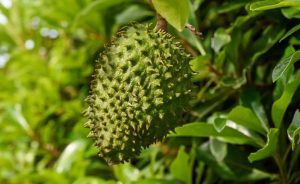
Graviola
Graviola, also known as soursop or Brazilian pawpaw, is a plant native to South and Central America. Its fruit, bark, roots, and leaves have been used in traditional medicine. Graviola is attributed with various medicinal properties, including analgesic, anti-inflammatory, antibacterial, antiparasitic effects, and potential anticancer activity.
Nutritional Values and Health Benefits:
- Anticancer effects:
Extracts from graviola, especially annonaceous acetogenins, may inhibit the growth of cancer cells in certain types of cancer such as breast, lung, prostate, pancreatic, and colon cancer. Studies suggest these compounds can induce apoptosis (programmed cell death) and regulate the cell cycle. - Anti-inflammatory and analgesic effects:
Graviola may help relieve inflammation and pain, including rheumatic and neuropathic pain. - Antibacterial and antiparasitic effects:
Graviola can be effective in combating bacteria and parasites and may aid in treating diarrhea and dysentery. - Immune system support:
Graviola contains vitamins and nutrients that can strengthen the body’s immune system. - Sedative and anticonvulsant effects:
Graviola may help alleviate symptoms of anxiety, depression, and insomnia. - Blood sugar regulation:
Some studies suggest graviola may help lower blood sugar levels in people with diabetes. - Cardiovascular benefits:
Graviola may reduce blood pressure and decrease the risk of atherosclerosis. - Digestive health improvement:
Graviola can soothe indigestion and support metabolism.